

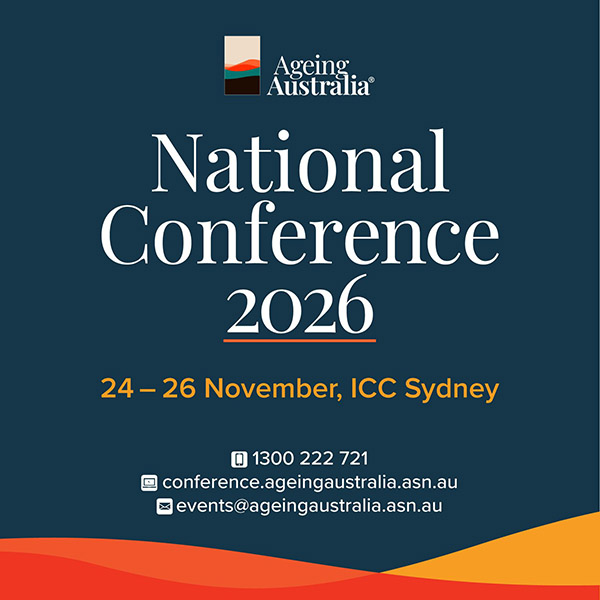
We're exhibiting at the Ageing Australia National Conference at ICC Sydney, 24-26 November.
Visit our stand (258 & 259) for a hands-on look at ENSIGN and our new Long Range Call System (LRCS) integration, which lets aged care providers run their LRCS systems within ENSIGN.
If you're attending, or bringing clients along, we'd love to see you there.
Did you know that bed rails and tray tables are both classed as mechanical restraints? Under aged care rules, a device that restricts a person's movement counts as a restrictive practice, even when it's used for their safety and they've agreed to it.
cura1 falls prevention systems work differently. They don't restrict movement. They alert staff when a client is getting up or on the move, so help can arrive in time and the client keeps their freedom. Our DoorAlert system can be set up to lock a door, but it's most often used simply as an alarm, letting staff know when someone at risk of wandering approaches an open door.
The Australian Government's fact sheet sets out the five types of restrictive practice in plain language. It's a quick read, and it may be useful to share with clients and allied health teams.
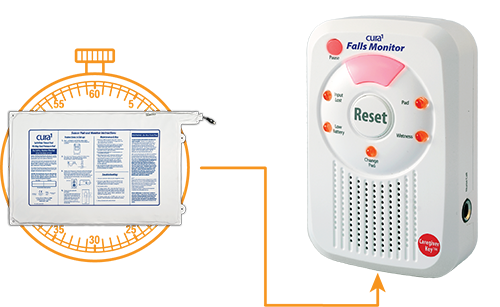
cura1 SafeTime pads take the setup, and the guesswork, out of falls monitoring.
On a busy ward, the best equipment is the kind nobody has to think about. SafeTime bed and chair pads are built on that idea.
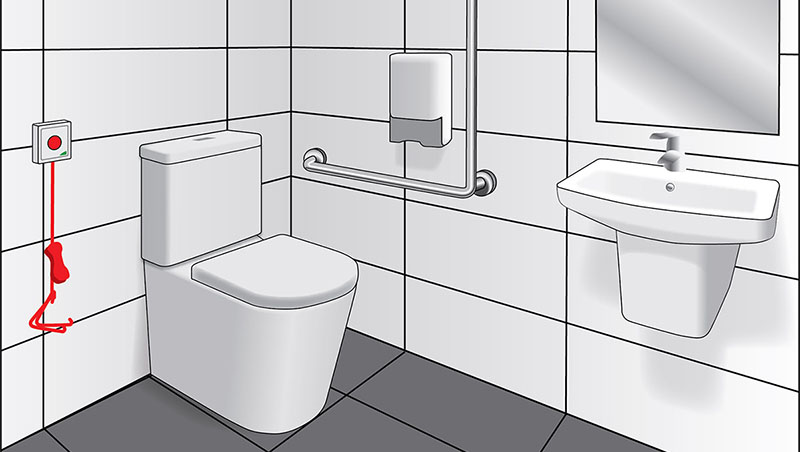
The room with the hardest, slipperiest surfaces is often the one with the least equipment in it.
Most falls prevention equipment is built around the bed and the chair. Bed pads, chair pads, floor mats, monitors. Beds and chairs are a sensible place to concentrate, because that is where an unwell or elderly person spends a great deal of time.
Page 1 of 17
A.B.N. 88 007 603 161
10 Gray Street, Kilkenny SA 5009, AUSTRALIA
Ph. (+61) 8 8268-8343
NATIONAL CALL:
1300-12-CARE (2273)
“cura” – latin word meaning “care”